
Hello everyone! It’s me, Lewis! For those of you just now coming to my blog, I’m a 23 year old history undergrad student. I post about history, literature, exploring the outside world, and more!
NOTE: All links included are NOT affiliate links. I do not make any money from you choosing to use the products I did!
Today, I wanted to talk about a journaling practice I have been fascinated by and recently begun – keeping a commonplace journal!
Common place journals have been in practice for a long time. They are notebooks the author fills with information the author finds interesting or useful. They have been kept from antiquity, with many examples in the Renaissance and 19th century.
Famous examples of commonplace users from periods I study would be John Locke and Thomas Jefferson. Jefferson kept three commonplace books, one for literature, one for legal entries, and one for his notes on equity law.
Anyway! Let me give you a tour of my new Commonplace book.
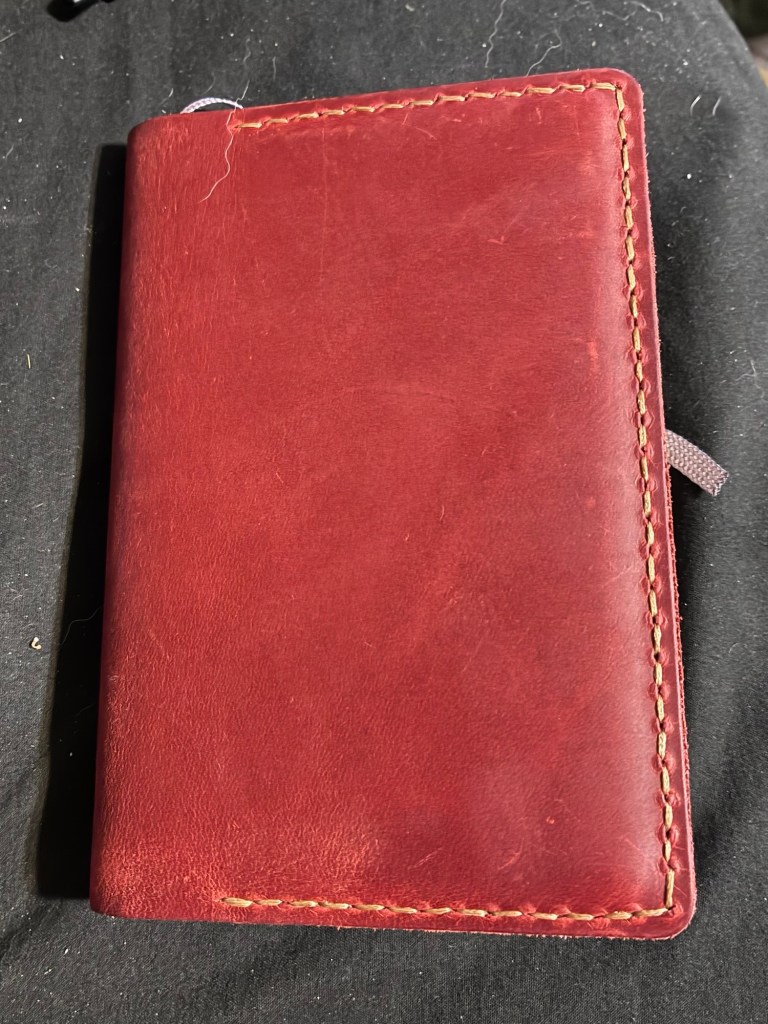
This is my Commonplace book! The leather coverlet comes from Amazon, I shall link it here. Please note I did cut out the pen look inside as one reviewer suggests to allow the cover to close easier. I also am using the Moleskine Classic Notebook, Pocket (3.5’’ by 5.5’’) Ruled/Lined, 192 pages as the inside of the book!
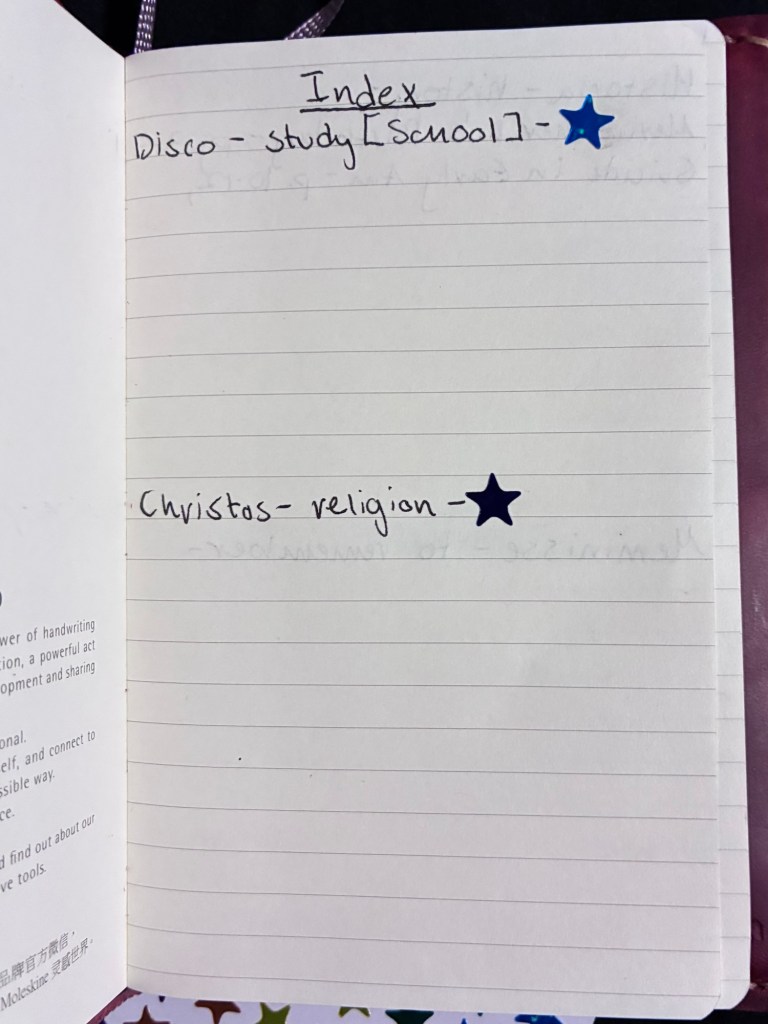
I personally cannot imagine having a Commonplace book without an index. Although many people live this way, I think not being able to find stuff I had saved easily would drive me NUTS. John Locke had a very complicated way of indexing. I went for more simple. Under these headings, I will list a brief title of a topic and the page numbers relevant to it. FYI, the moleskine journal does NOT have page numbers already included, so I had to write those on myself.
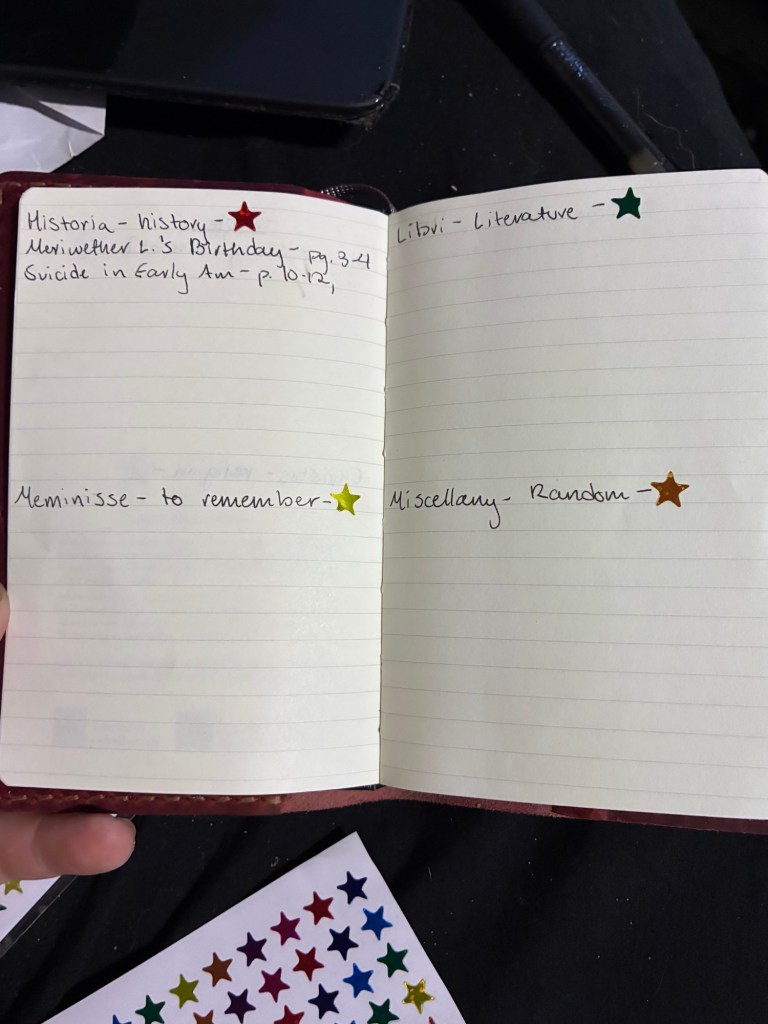
For my indexing, I have chosen to use colored foil star stickers to help visually keep track of what entries are in which category. So, for each page, there will be a label of whatever category it’s in (ex: Historia) and the corresponding star sticker somewhere on the page. I saw someone do this with little stickers you might see in a store to label something. I thought the circles were plain and boring, so I found these small foil star stickers and they are working out great so far!
NOTE: When choosing stickers, make sure you pay attention to size! These foil star stickers are .3’’ and just the right size for visibility and fitting onto the page.
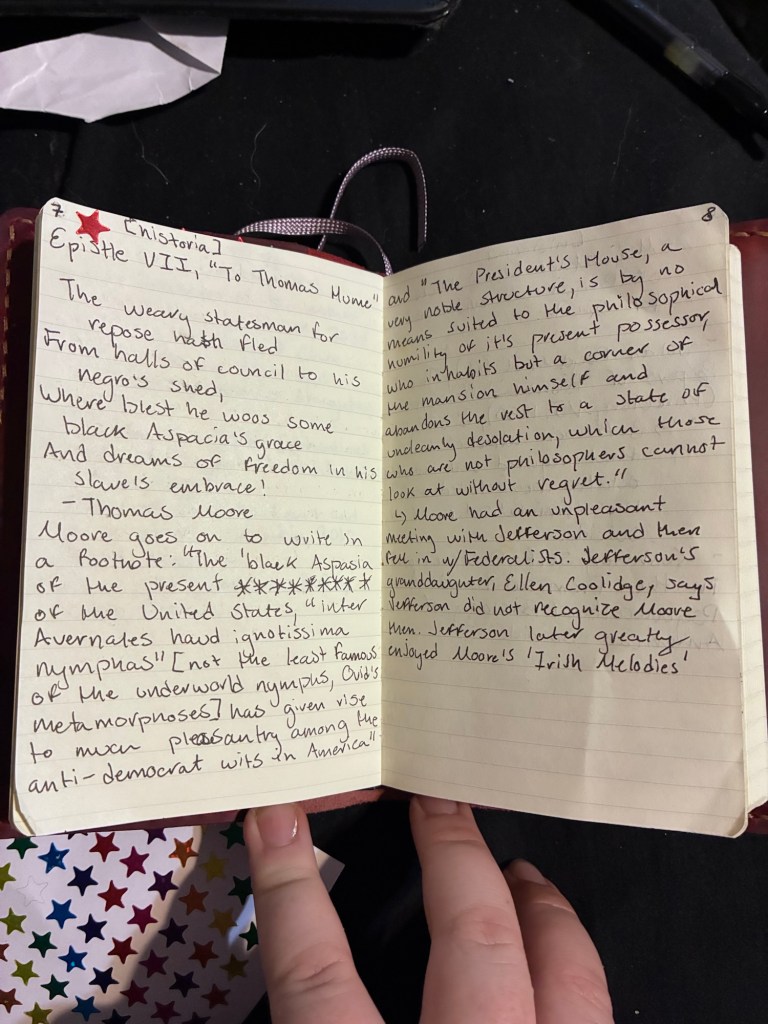
And here’s an example of an entry in my commonplace book! I’m using it for interesting things I come across in my research primarily right now.
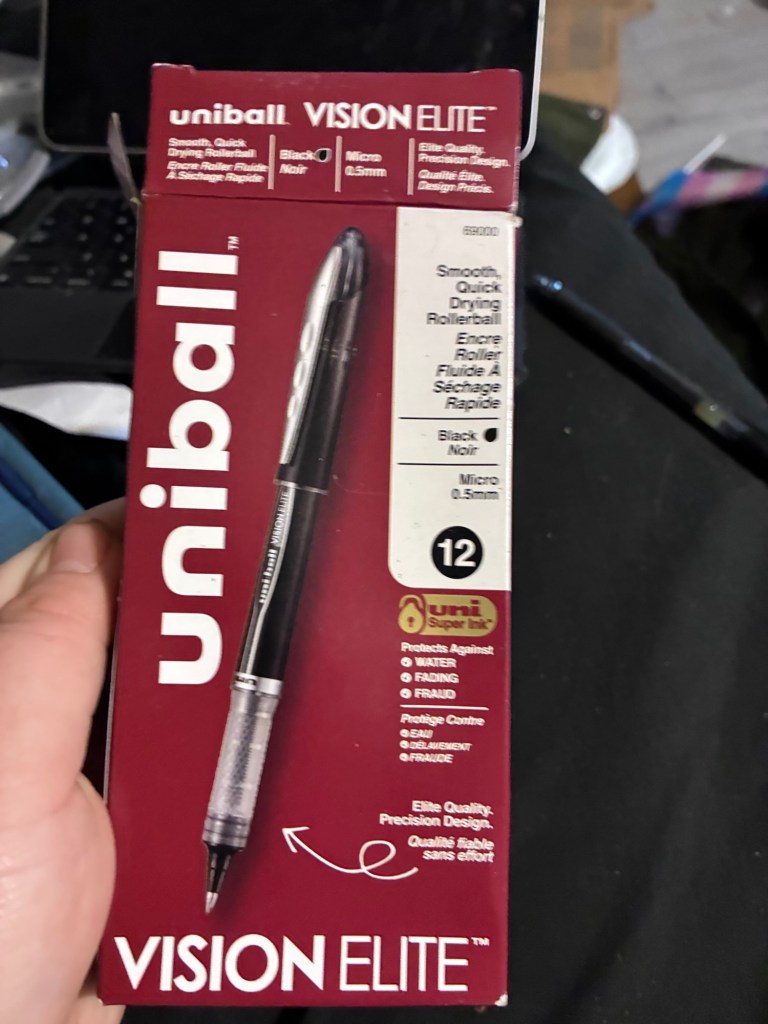
The Uniball Vision Elite (Micro 0.5mm) is my pen of choice. Oh how I love you, Uniball Vision Elite. It is my favorite writing experience!
Anyway, I hope you enjoyed this brief introduction to my Commonplace book! Do you keep a Commonplace book? Would you like to start one? What would you put in it?
Xoxo, Lewis.


Leave a Reply